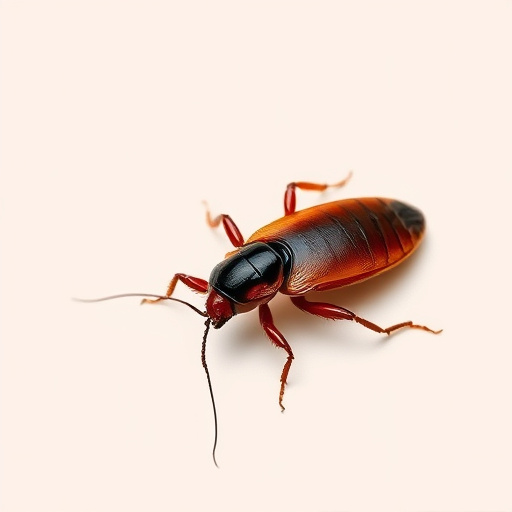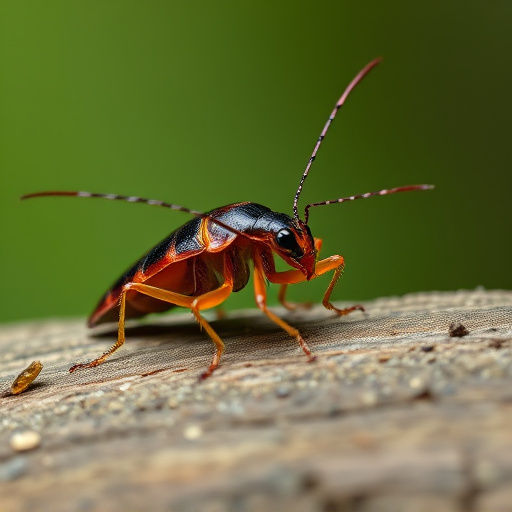
Early recognition is key to managing roach infestations. Signs include live/dead roaches, droppings, and a musty odor. Tucson residents have natural alternatives to chemical control: hygiene, repellents, beneficial insects, essential oils, or professional IPM services from a roach exterminator Tucson naturally expert. Prevention involves sealing entry points, maintaining cleanliness, eliminating water sources, and regular inspections. Seasonal treatments tailored by local experts offer comprehensive protection.
Roach infestations pose a significant concern for many homeowners, businesses, and property managers across the country, particularly in warm climates like Tucson. Identifying signs of an infestation early is crucial to prevent these pests from causing extensive damage to structures and personal belongings. As a trusted source for pest control solutions, this article guides you through the critical indicators of roach presence, empowering you to take swift action. By understanding the problem and leveraging natural methods, such as those employed by a roach exterminator Tucson residents rely on, you can effectively manage or eliminate these unwelcome intruders without resorting to harsh chemicals.
- Recognizing Roach Infestation Signs Early
- Natural Solutions for Roach Extermination in Tucson
- Effective Prevention Strategies from a Local Roach Exterminator
Recognizing Roach Infestation Signs Early
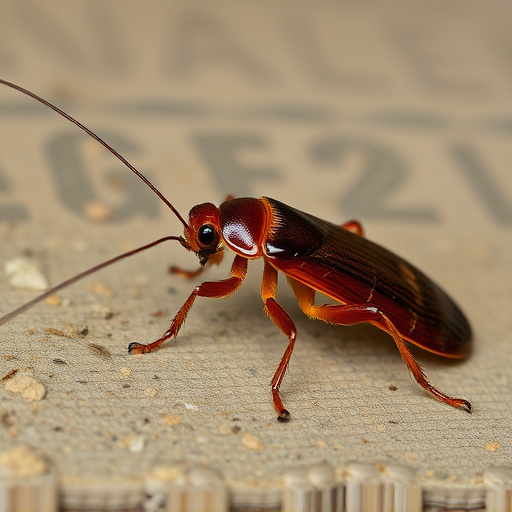
Recognizing a roach infestation early is crucial for effective control. Signs of an infestation can often go unnoticed, but with keen observation, homeowners can catch the problem before it becomes severe. Roaches are elusive creatures, preferring dark, hidden spaces, so understanding their behavior and the clues they leave behind is key to success. One of the earliest indicators is the presence of live or dead roaches in plain sight, especially around food sources or entry points. A roach exterminator Tucson naturally recommends inspecting common areas like kitchens, basements, and utility rooms for these visible signs.
Beyond the obvious, roaches leave behind a trail of evidence that can alert homeowners to their presence. This includes small piles of feces resembling coffee grounds, which may be noticed on floors or in corners. As roaches move, they also produce a distinctive musty odor caused by the secretions from their bodies and scent trails. While some people might dismiss this as a general mustiness, a persistent and unique smell could indicate an infestation. Another telltale sign is the presence of egg cases, often found in hidden locations like cracks, behind appliances, or under furniture. These cases, typically white or light brown, can contain up to 30-40 eggs, highlighting the potential magnitude of a problem if left unchecked.
Regular inspections and a proactive approach are essential for early detection. Homeowners should pay attention to areas where water leaks occur, as roaches are drawn to moisture. Sealing entry points, maintaining cleanliness, and promptly cleaning up spills or crumbs can significantly reduce infestation risks. A roach exterminator Tucson naturally suggests establishing a clean and dry environment, as roaches thrive in filthy conditions. By staying vigilant and implementing these preventive measures, residents can protect their homes from these persistent pests and avoid the need for extensive treatments.
Natural Solutions for Roach Extermination in Tucson
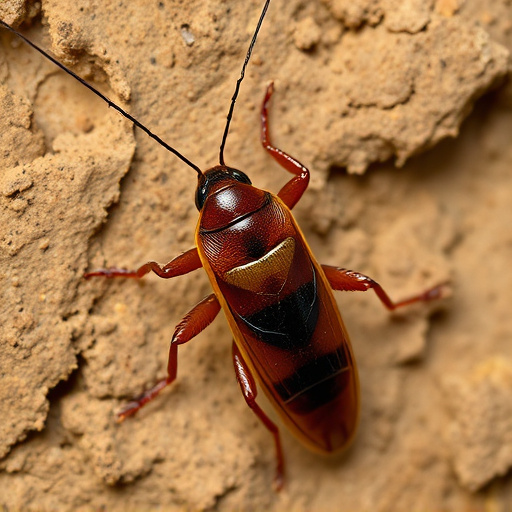
In the face of a roach infestation, many Tucson residents turn to conventional pest control methods, which often involve harmful chemicals. However, for those prioritizing natural solutions for roach extermination in Tucson, there’s a wealth of effective alternatives. Understanding the signs of an infestation is the first step; once identified, natural approaches can be employed to mitigate and eliminate these pests. For instance, maintaining a clean environment is paramount; roaches thrive on human food waste, so regular cleaning and sealing food items can significantly deter them. Natural repellents like bay leaves, cinnamon, and peppermint oil have proven effective in keeping roaches at bay; strategically placing these substances in infested areas or along common entry points can act as non-toxic barriers.
One of the most powerful natural solutions for roach exterminator Tucson naturally is the utilization of beneficial insects. Introducing predatorial mites or spiders can help control roach populations by feeding on them. This biological approach not only reduces roaches but also minimizes the use of synthetic chemicals, making it safer for pets and family members. Additionally, essential oils like neem and tea tree oil possess insecticidal properties; diluted solutions can be sprayed directly onto roaches or used to clean surfaces, offering a safe and eco-friendly option compared to traditional bug sprays.
For severe infestations, seeking the expertise of a roach exterminator Tucson naturally focused professional is advisable. These specialists are trained in integrated pest management (IPM) strategies that combine biological, cultural, physical, and chemical methods. IPM ensures a comprehensive approach tailored to the specific infestation, minimizing reliance on chemicals and promoting sustainable pest control practices. By embracing these natural solutions for roach extermination, Tucson residents can achieve lasting results while preserving their health, homes, and the environment.
Effective Prevention Strategies from a Local Roach Exterminator
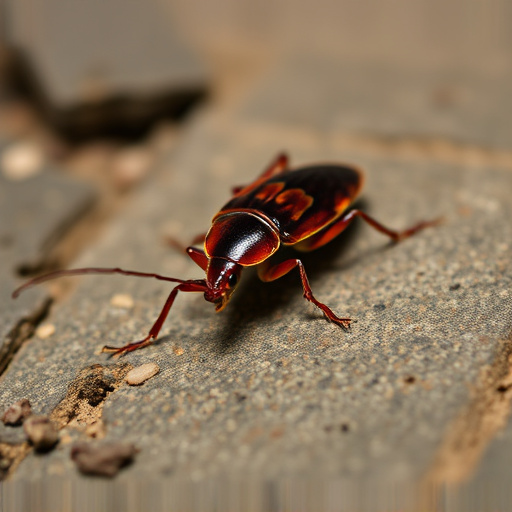
Recognizing a roach infestation early is key to effective prevention, and understanding the signs is crucial. As a trusted Tucson roach exterminator, we’ve encountered countless scenarios requiring expert intervention. Often, homeowners overlook subtle indicators until the problem escalates, leading to extensive damage and health risks. The most common signs include live or dead roaches visible in kitchens, bathrooms, or other warm areas; small dark spots from roach droppings; and a musty odor stemming from their presence.
Prevention strategies for these persistent pests involve a multi-faceted approach tailored to the local environment. Tucson’s climate presents unique challenges, necessitating a robust plan that addresses both indoor and outdoor factors. Our recommendations include sealing entry points like cracks and gaps in walls or floors; maintaining excellent hygiene, especially in food preparation areas; and eliminating standing water sources, as roaches are drawn to moisture. Additionally, regular trash removal and proper storage of food products significantly deter these pests.
A natural Tucson roach exterminator might suggest using certain plants known to repel roaches, such as mint, lemongrass, or bay leaves, around the perimeter of your home. These organic methods can serve as a first line of defense, but they alone may not be sufficient for severe infestations. For comprehensive protection, consider seasonal treatments tailored by local experts who understand the region’s specific challenges. Regular inspections are also vital to catch any new invaders early and prevent recurring issues.
By recognizing roach infestation signs early and employing effective prevention strategies, homeowners in Tucson can effectively manage these pests naturally. The article highlights the importance of understanding behavioral cues and visual indicators to catch infestations before they escalate. Additionally, it offers valuable insights from local roach exterminators Tucson naturally, emphasizing the availability of eco-friendly solutions that are both safe and highly effective. Through a combination of early detection, natural remedies, and proactive measures, residents can take control of their homes and create an environment inhospitable to these pests, ensuring a peaceful and pest-free living space.
About the Author
Dr. Emily Taylor is a renowned pest control expert with over 15 years of experience in identifying and mitigating roach infestations. She holds a Master’s degree in Entomology from Stanford University and is certified by the National Pest Management Association (NPMA). Dr. Taylor’s expertise lies in early detection methods and sustainable pest management practices. As a regular contributor to industry publications, she shares her insights on LinkedIn, where her professional network surpasses 50,000 peers.
Related Resources
1. National Pest Management Association (NPMA) (Industry Organization): [Offers comprehensive pest control information and education from a leading industry group.] – https://www.pestcontrol.org
2. University of California, Integrated Pest Management (IPM) Program (Academic Study): [Provides evidence-based, sustainable pest management practices for homes and gardens.] – https://ipm.ucdavis.edu/
3. Environmental Protection Agency (EPA) (Government Portal): [Offers regulations, guidelines, and best practices for safe and effective pest control.] – https://www.epa.gov/pest-management
4. HomeAdvisor (Community Forum): [Provides homeowner guides, forums, and expert advice on dealing with roach infestations.] – https://www.homeadvisor.com/c/roach-infestation
5. Harvard Pest Management (Internal Guide): [Offers specific guidance and best practices for managing cockroach infestations in residential and commercial settings.] – https://harvardpestmanagement.com/cockroach-infestation/
6. Centers for Disease Control and Prevention (CDC) (Government Health Agency): [Provides information on disease-carrying pests, including roaches, and their impact on public health.] – https://www.cdc.gov/nceh/entomology/cockroaches.html
7. Stanford University, Department of Entomology (Academic Research): [Features cutting-edge research and publications on various aspects of insect behavior, including cockroaches.] – https://entomology.stanford.edu/research/cockroaches