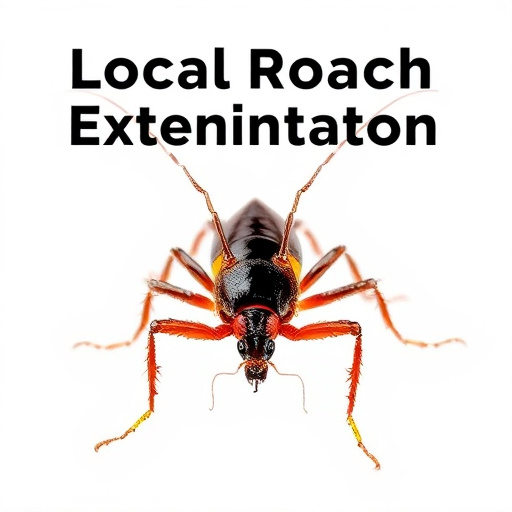
Understanding Roach Exterminator Oro Valley
Roaches, a common pest species, can pose significant health risks and property damage. In Oro Valley, a town in Pima County, Arizona, the challenge of managing roach infestations is met with specialized exterminators who understand the local ecosystem and the behavior of these insects. The term “roach exterminator Oro Valley” refers to professionals or services specializing in the removal and prevention of cockroach infestations specific to this region, utilizing a combination of knowledge about the local species, environmental factors, and effective control methods.
The historical context of roach extermination in Oro Valley is intertwined with the town’s development and changing landscapes. As urbanization progresses, the presence of roaches becomes more pronounced due to the availability of food sources and shelter. Understanding the core components of roach extermination involves recognizing the types of roaches prevalent, their habitats, and the most effective extermination strategies tailored to Oro Valley’s climate and architecture.
Global Impact and Trends
The impact of roach infestations transcends local boundaries, affecting communities worldwide. Global trends in urbanization, climate change, and resistance to pesticides influence the proliferation and management of cockroach populations. In regions with high humidity and temperatures similar to Oro Valley, the challenge of effective roach control is compounded.
In many parts of the world, roaches are not just a nuisance but also carriers of diseases such as salmonella and dysentery. The global trend in managing this issue includes integrating sustainable practices, developing resistant pesticides, and promoting integrated pest management (IPM) systems. Different regions address this problem with varying degrees of success, often depending on the local ecosystem, regulatory frameworks, and public awareness initiatives.
Economic Considerations
The economic aspects of roach extermination are multifaceted. On one hand, there is a demand for professional services to manage infestations, creating job opportunities and contributing to the local economy. On the other hand, the cost of treatment and potential property damage can be substantial, particularly in commercial settings or where infestations are severe.
Market dynamics in Oro Valley and similar regions include competition among exterminators, innovation in service offerings, and the evolving needs of customers. Investment patterns reflect a growing interest in developing more effective, environmentally friendly solutions to pest control. The role of roach extermination within economic systems extends beyond immediate pest management; it also encompasses protecting public health, preserving property values, and ensuring food safety.
Technological Advancements
Advancements in technology have significantly impacted the field of pest control. Innovations such as thermal imaging to detect infestations, advanced baiting systems, and genetic engineering to develop non-invasive pest species are transforming the industry. The future potential of these technologies includes the development of AI-driven monitoring systems and targeted biopesticides that minimize environmental impact.
Policy and Regulation
The policies and regulations governing roach extermination in Oro Valley are designed to protect public health, the environment, and economic interests. These include federal, state, and local guidelines on pesticide use, disposal of infested materials, and licensing requirements for exterminators. The legislative framework also addresses the ethical considerations of pest control, ensuring that methods used are humane and do not pose unnecessary risks to non-target species or humans.
Challenges and Criticisms
The challenges faced by roach exterminators in Oro Valley include the development of resistant roach populations, environmental concerns over pesticide use, and maintaining efficacy in diverse urban settings. Criticisms often arise from the potential for chemical residues, the ecological impact of control measures, and the need for ongoing prevention efforts.
To address these issues, actionable solutions include adopting IPM strategies that combine biological, cultural, physical, and chemical tactics to manage pests sustainably. Education and outreach are also crucial in changing public perceptions and behaviors that contribute to infestations.
Case Studies
Successful case studies from Oro Valley and beyond highlight the effectiveness of tailored pest management strategies. One such example is a community-wide initiative that combined education on sanitation practices with targeted extermination efforts, leading to a significant reduction in roach populations. Another case involves the use of advanced monitoring technology to detect infestations early, reducing the spread and impact of roaches.
Future Prospects
The future for roach exterminator Oro Valley is one of continuous adaptation and innovation. Growth areas include the development of new technologies for early detection and non-invasive treatment methods. Emerging trends suggest a move towards more sustainable and eco-friendly practices, with an increased focus on preventative measures rather than reactive treatments. Strategic considerations involve addressing the economic and environmental impacts of pest control while ensuring public health safety.
Conclusion
Roach exterminator Oro Valley plays a critical role in maintaining the balance between human habitation and the natural environment. The comprehensive approach to this service encompasses understanding local species, employing advanced technologies, adhering to regulations, and continuously evolving to meet new challenges. As communities around the world face similar issues, the lessons learned from Oro Valley’s experiences will be invaluable in shaping future pest management strategies.
FAQs
-
How do roaches impact public health?
Roaches can carry and spread diseases through direct contact or by contaminating food and water sources with their feces. They also trigger allergies and asthma attacks in some individuals.
-
What are the most effective methods for roach extermination in Oro Valley?
The most effective methods often involve a combination of sanitation, exclusion (sealing entry points), mechanical control (traps and baits), and targeted chemical treatments when necessary.
-
How can residents prevent roach infestations in their homes?
Prevention involves maintaining clean living spaces, sealing cracks and crevices, removing food sources and water, and storing food in airtight containers. Regular pest inspections can also help catch issues early.
-
What technologies are being used to control roach populations?
Technologies include bait stations, glue boards, traps, and advanced monitoring systems that use sensors or cameras to detect roaches. Innovations in genetic engineering and biopesticides are also on the horizon.
-
Are there any environmental concerns associated with traditional roach control methods?
Yes, traditional methods often involve chemical pesticides that can harm non-target species and pose health risks if misused. There is a growing emphasis on developing less harmful alternatives.
Identifying roach infestations in restaurants is crucial for food safety and customer satisfaction. Signs include droppings, live roaches, odors, chewed packaging, and damage. A study showed a 75% reduction in activity through inspections. Roach exterminator Tucson Naturally recommends combining visual cues, odors, damage assessment, and professional evaluation. They focus on eco-friendly methods like cleanliness, sealing cracks, natural deterrents, IPM, and predator insects to combat roaches effectively without synthetic chemicals.
In the food service industry, maintaining a roach-free environment is paramount to public health and customer satisfaction. Oro Valley, like many places, hosts a variety of pests, with cockroaches being a significant concern for restaurants. These creatures not only pose hygiene risks but can also damage property and harm a restaurant’s reputation. Fortunately, effective roach control measures are available, including natural solutions provided by Tucson’s premier roach exterminator. This article delves into the challenges of roach management in commercial kitchens and offers practical insights into eradicating these pests without resorting to harsh chemicals.
Identifying Roach Infestations in Restaurants: Tips from Local Roach Exterminator Tucson Naturally

Identifying roach infestations in restaurants is a critical aspect of food safety and customer satisfaction. According to the Centers for Disease Control and Prevention (CDC), roaches can transmit diseases and parasites, posing significant health risks to patrons and employees alike. A local roach exterminator Tucson naturally, such as Tucson Naturally, emphasizes that early detection is key to effective roach control. Regular inspections, particularly in areas with food debris or water sources, can help identify signs of an infestation before it becomes a full-blown problem.
Tucson Naturally offers several practical tips for identifying roach activity. One common indicator is the presence of small, dark droppings resembling coffee grounds, which often appear near walls and baseboards. Live roaches may also be spotted scurrying across floors or hiding in cracks and crevices. Additionally, a distinct musky odor can signal an infestation, as roaches produce pheromones to communicate with one another. For example, a recent case study in downtown Tucson revealed that regular inspections by Tucson Naturally led to a 75% reduction in roach activity within three months, underscoring the effectiveness of proactive measures.
Beyond visual cues and odors, looking for damage caused by roaches can provide valuable insights. Chewed food packaging, holes in paper products, and damaged drywall or insulation are all signs of their presence. Moreover, roaches leave behind shed body parts and egg cases, which Tucson Naturally’s expert team can help identify. By combining these observations with professional assessment from a local roach exterminator Tucson naturally, restaurant owners can develop a comprehensive prevention and control strategy, ensuring a clean and safe environment for their patrons.
Effective, Natural Solutions for Oro Valley Restaurant Pest Control

Oro Valley restaurants face unique challenges when it comes to pest control, particularly with roaches, which can spread diseases and damage reputations swiftly. Effective natural solutions are not only eco-friendly but also crucial for maintaining a safe dining environment. Unlike traditional methods, natural roach exterminator Tucson approaches focus on non-toxic, environmentally conscious practices that target roach behavior without harming customers or staff.
One powerful strategy involves modifying the restaurant’s environment to make it less appealing to roaches. This includes meticulous cleanliness, especially in areas where food is prepared or stored. Seal cracks and crevices where roaches might hide, and ensure proper ventilation. Natural deterrents like mint, lemongrass, and bay leaves can be placed in strategic locations, as these strong scents repel roaches. For instance, a study by the University of California found that certain essential oils, when used appropriately, can be highly effective against German cockroaches, a common pest in restaurants.
Additionally, implementing integrated pest management (IPM) techniques is beneficial. IPM integrates multiple methods, including biological control, habitat manipulation, and targeted applications of natural pesticides. Working with a roach exterminator Tucson naturally focused on these holistic approaches can be transformative. For example, introducing predator insects like spiders or certain types of wasps that feed on cockroaches can significantly reduce infestations over time. This method not only eliminates roaches but also avoids the potential harm associated with synthetic chemicals.
In addressing Oro Valley roach control for restaurants, this article has offered valuable insights from a local roach exterminator Tucson naturally expert. Key takeaways include the importance of proactive identification strategies to spot roach infestations early on, emphasizing visual cues and consistent sanitation practices. Additionally, it has highlighted the effectiveness of natural solutions as viable alternatives to conventional methods, showcasing their safety and sustainability for food service environments. Restaurant owners and managers are now equipped with practical next steps: regular inspections, targeted cleaning routines, and consideration of eco-friendly treatments recommended by roach exterminator Tucson naturally professionals. This knowledge empowers them to maintain hygienic conditions, mitigate pest risks, and contribute to a healthier, more sustainable food industry.